
Learn More
Maine offers some extraordinary places to get married. Historic mansions overlooking the ocean, private estates with generations of family history, and expansive coastal properties create opportunities for celebrations that are deeply personal and remarkable in scale.
Many of these properties were never intended to host weddings. And that’s often what makes them so compelling.
But planning a wedding in a setting like this requires a different approach. Every property brings its own opportunities, limitations, and logistical considerations. The decisions made early in the process will influence nearly every aspect of the celebration.
I’m Charity Johnson, owner and lead planner of Charity Lynn Weddings, a Maine-based wedding planning and design company specializing in private estates, tented celebrations, historic properties, and wedding weekends throughout New England.
When planning weddings in these settings, there are several considerations I encourage couples to understand before making their first major commitments.
1. The Property Determines More Than You Might Expect
One of the first things I consider when evaluating a potential wedding venue is how the property will actually function during the celebration.
It’s easy to recognize a remarkable setting. Understanding what it will take to host a wedding there requires a much closer look.
A private estate may have an expansive lawn that appears perfectly suited for a tent. But is the ground level enough to accommodate flooring? Can delivery trucks access the installation site? Where will the catering team work? Is there sufficient power available?
These are questions I want answered before we begin making significant commitments.
Historic properties introduce different considerations. Preservation requirements may restrict installations, and the existing layout can influence everything from guest movement to the placement of entertainment and catering operations.
I also consider how the property will be experienced throughout the event.
A ceremony location might offer an extraordinary view, but what happens immediately afterward? How will guests transition to cocktail hour? Will they need transportation? Is there an appropriate alternative if the weather changes?
Each of these decisions affects the others.

My recommendation is to involve your wedding planner before signing a contract for a private estate or historic property.
An experienced planner can evaluate the location alongside your guest count, priorities, and overall budget, helping you understand both its possibilities and its limitations.
The right property should support the celebration you’re planning, not require you to compromise the elements that matter most.
2. The Budget Needs to Account for the Entire Experience
One of the most common misconceptions about private estate weddings is that using a family property will automatically reduce the cost of the celebration.
Sometimes it does. Often, it doesn’t.
At an established wedding venue, many essential facilities and services are already in place. At a private estate, those same elements may need to be provided specifically for the event.
Depending on the property, this can include a tent, flooring, lighting, power distribution, restrooms, a temporary catering kitchen, parking arrangements, and extensive installation labor.
When I begin developing a budget, I’m considering how these requirements relate to the larger celebration.
For example, the size and placement of the tent influence the floor plan. The floor plan affects the lighting and floral design. The catering operation determines equipment requirements and service access.
Even the location of the property can influence transportation, staffing, and delivery costs.
These aren’t independent decisions. They are connected, and understanding those relationships is essential to managing the overall investment.
I also want couples to understand the difference between what is possible and what makes sense for their particular celebration.
There may be several ways to accomplish a design concept or solve a logistical challenge. Part of my responsibility is evaluating those options and providing clear recommendations.
A carefully developed budget gives us the information we need to make those decisions confidently.
It also allows us to establish priorities early, so the elements that matter most receive the attention and resources they require.
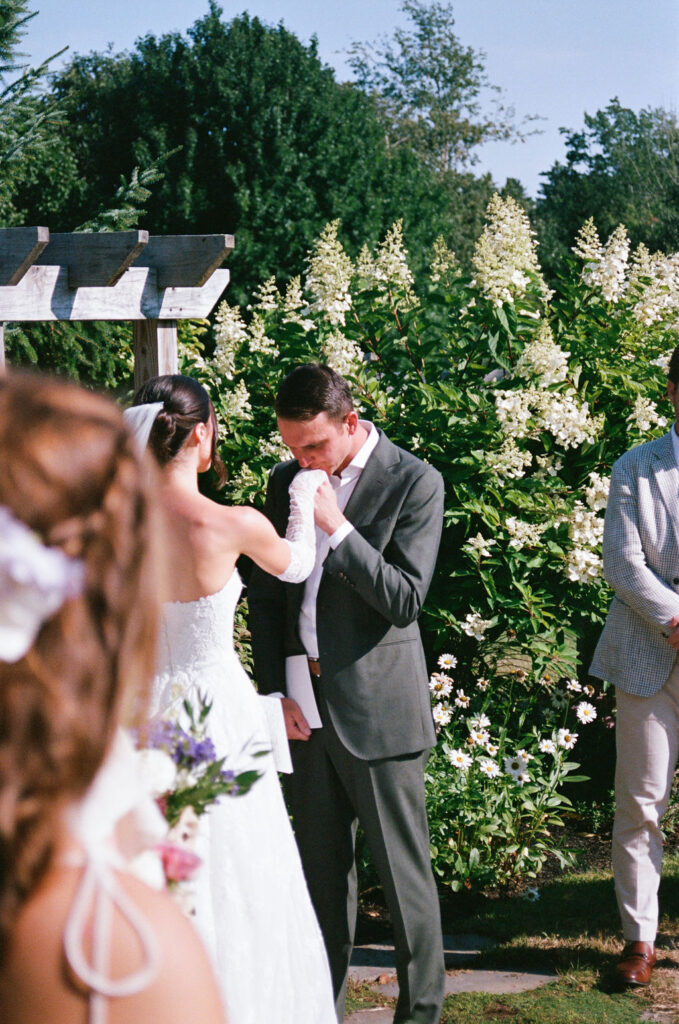

3. Tented Weddings Require Creative Vision and Extensive Production Knowledge
Tented weddings are among my favorite celebrations to plan and design because they offer extraordinary creative freedom.
We’re creating an environment specifically for the occasion, often in a location where no permanent event space exists.
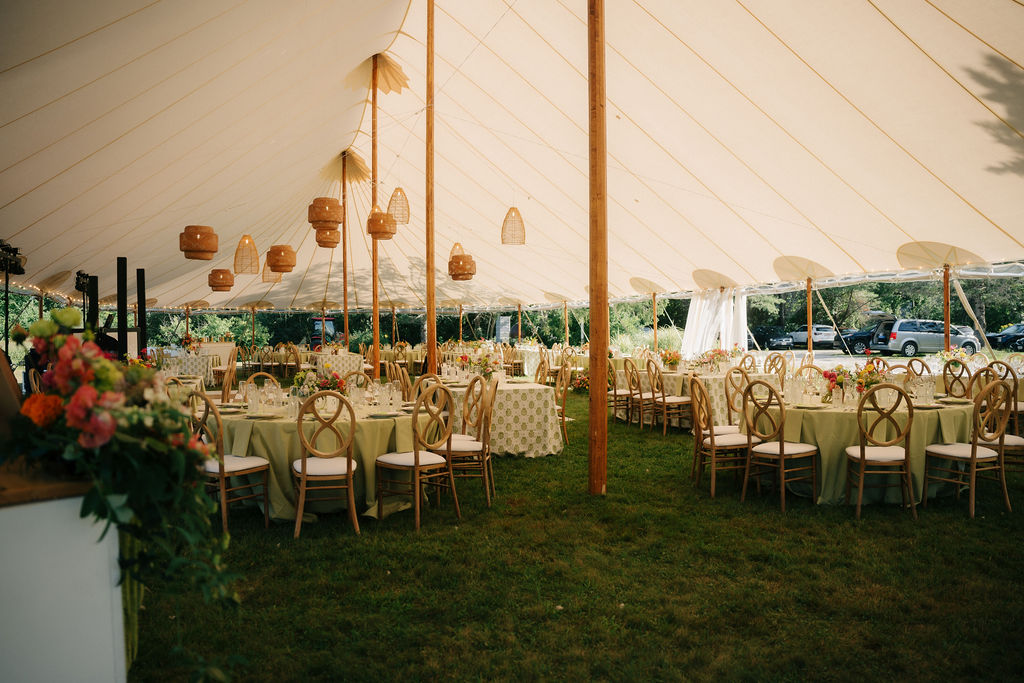
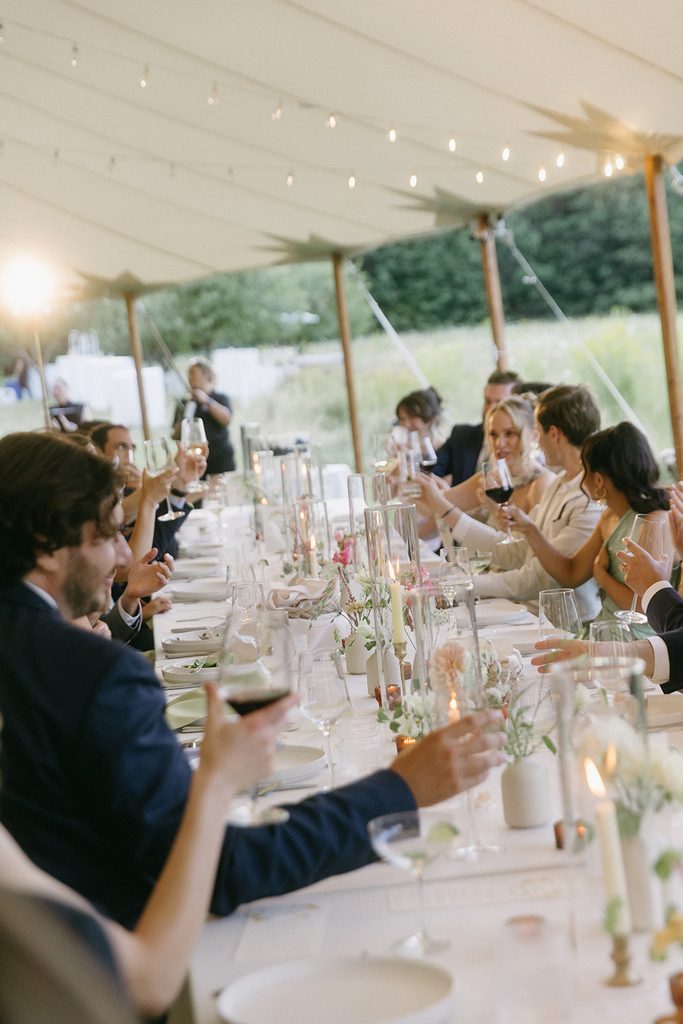
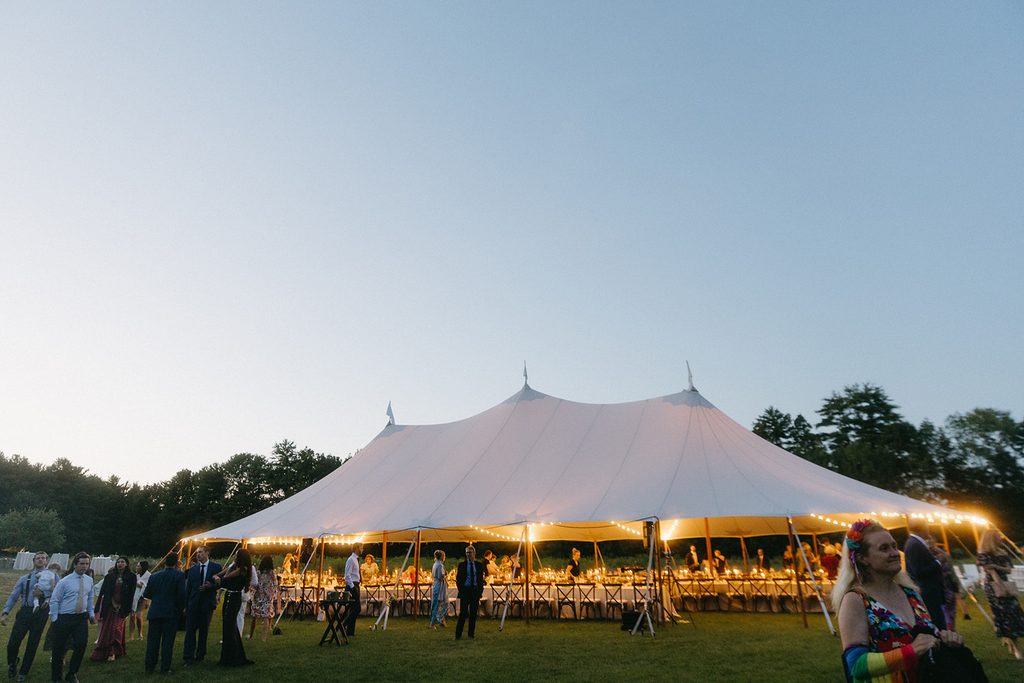
That means we can consider the orientation of the tent, the arrangement of the tables, the lighting overhead, and how the entire celebration relates to the surrounding landscape.
But the creative possibilities are only one part of the equation.
When I begin planning a tented wedding, one of my first priorities is understanding how the property will function once every vendor arrives.
A tent might fit perfectly on the lawn, but that doesn’t necessarily mean it’s positioned correctly for catering access, guest movement, or the installation of lighting and flooring.
I also consider how the space will function throughout the event.
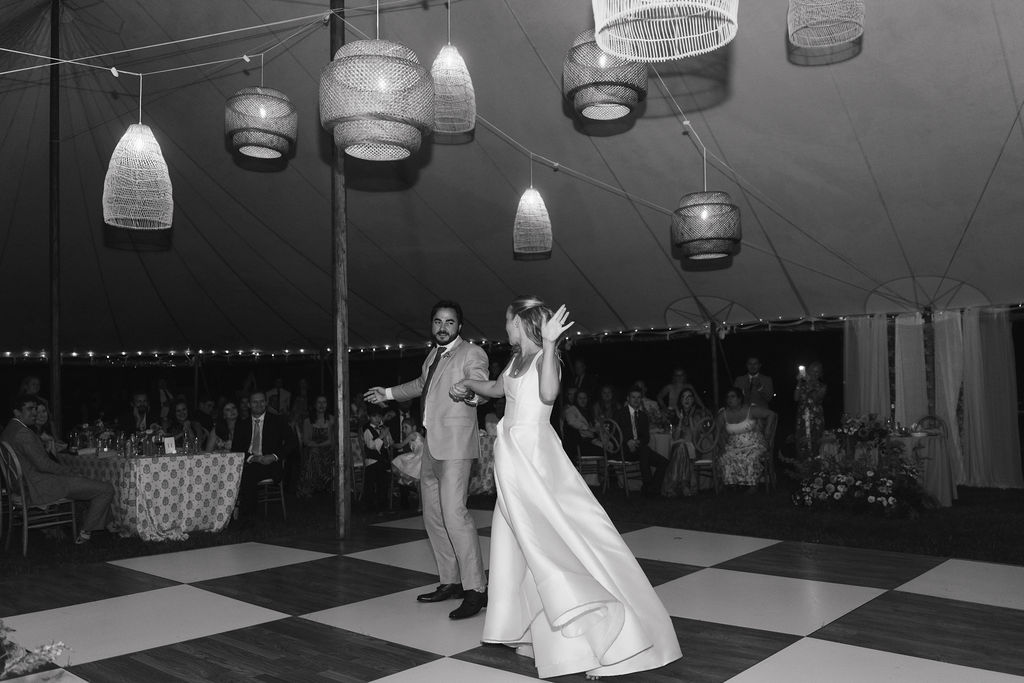
Where will guests gather before dinner? How will service staff move through the reception? Will the placement of the bars create congestion? Is the dance floor positioned in a way that encourages guests to participate?
These decisions influence the experience long before we begin selecting the finer details of the design.
And in Maine, weather must always be part of the conversation.
Rain is an obvious concern, but wind exposure, fluctuating temperatures, drainage, and ground conditions can be equally important.
A well-developed weather contingency plan accounts for the entire celebration, including the ceremony, cocktail hour, guest transitions, and vendor operations.
A successful tented wedding requires the design and logistics to be developed together.
When those elements are carefully considered from the beginning, we have the freedom to create something extraordinary without compromising how the event functions.

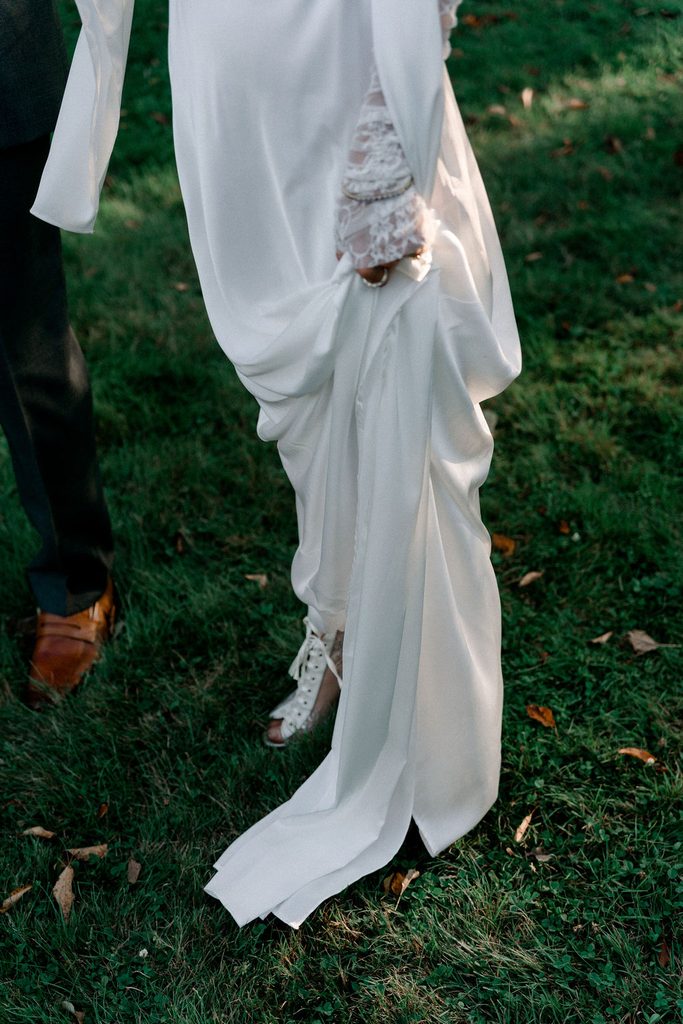
4. A Wedding Weekend Should Be Planned as One Complete Experience
For many couples getting married in Maine, their guests are traveling from across the country.
Some are returning to a place they’ve loved for years. Others may be experiencing New England for the first time.
A wedding weekend creates opportunities to spend meaningful time with the people who have made that journey.
But planning multiple events requires more than developing separate schedules for a welcome party, wedding, and farewell brunch.
I approach a wedding weekend as one complete experience.
That begins with understanding when guests will arrive, where they’ll be staying, how they’ll move between locations, and what each gathering is intended to accomplish.
For example, a welcome party might be the first opportunity for two families to spend significant time together. I want that environment to encourage conversation and allow guests to settle into the weekend.
The wedding itself may have an entirely different atmosphere, with a formal ceremony, elaborate dinner, and an energetic evening of celebration.
A farewell brunch might be smaller and more intimate.
Each gathering has its own purpose, but the planning should account for how they work together.
I also pay close attention to the guest experience between events.
Are transportation arrangements clear? Have guests received the information they need? Is there sufficient time between activities? Are we creating a schedule that allows people to enjoy the weekend rather than constantly moving from one obligation to another?
These considerations are especially important when guests are unfamiliar with the area.
And while the logistics are extensive, the reason for planning a wedding weekend is wonderfully straightforward.
It creates time.
Time for grandparents to share stories, for childhood friends to reconnect, and for families to spend time together outside the formal structure of the wedding day.
Those opportunities are worth planning for.
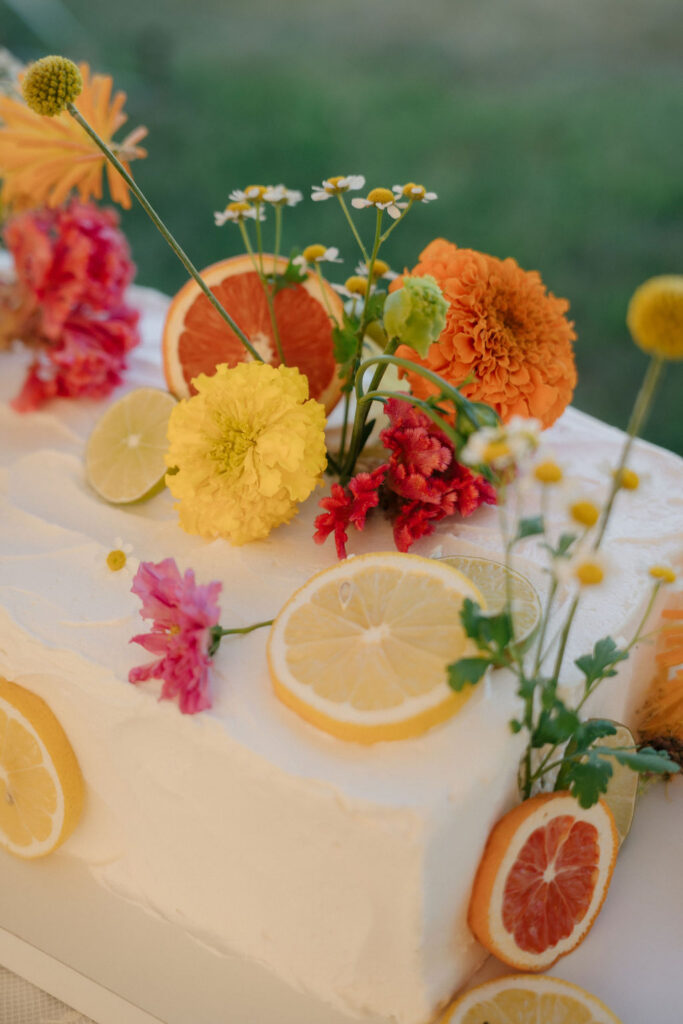
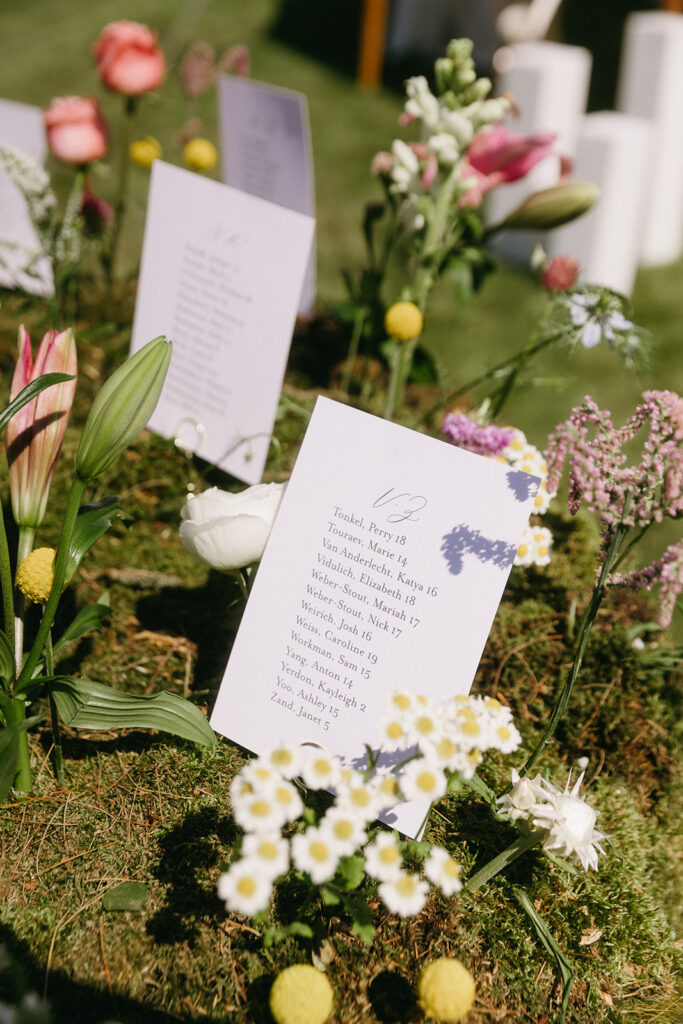
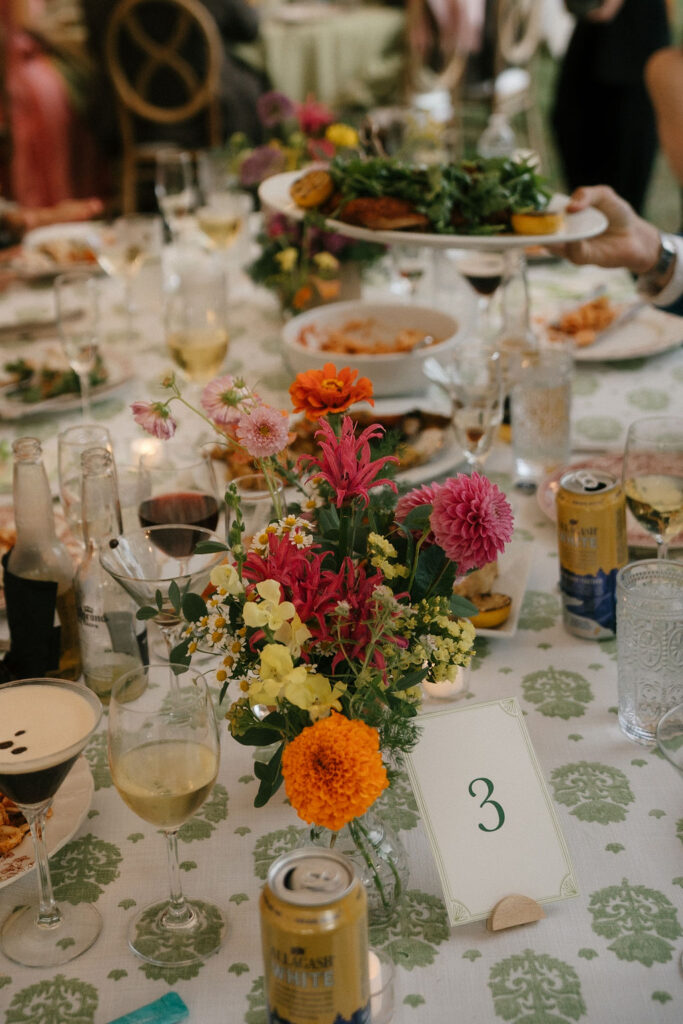
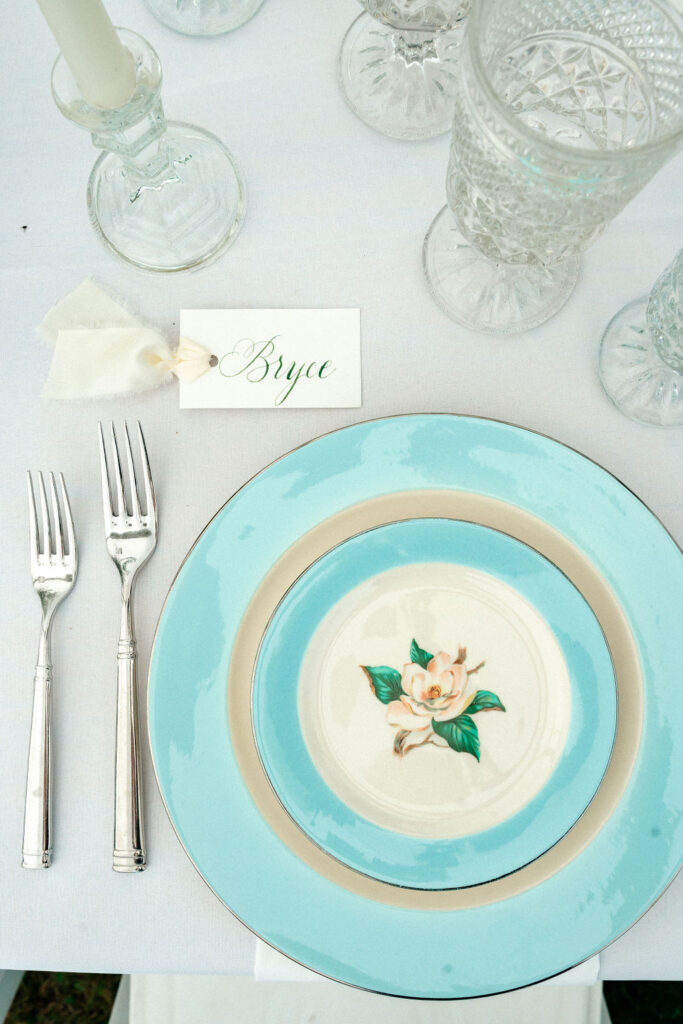
5. The Design Should Reflect the People at the Center of the Celebration
Before I begin developing the creative direction for a wedding, I spend time getting to know the couple.
I want to understand their families, their experiences, the traditions they value, and what they hope their wedding will represent.
These conversations often reveal details that would never emerge from a collection of inspiration photographs.
A family heirloom might influence a particular design element. A shared appreciation for art or architecture may inform the overall aesthetic. A meaningful tradition might deserve special consideration within the ceremony.
I use what I learn about the couple to develop a creative direction that reflects who they are.
But design also involves understanding how people will experience the celebration.
When I develop a floor plan, I’m considering much more than how many tables will fit within the space.
I’m thinking about the people sitting at those tables.
How will families interact? Where will guests naturally gather? How can the layout encourage conversation? What will the space feel like as the evening progresses?
These questions influence the design long before we begin selecting individual elements.
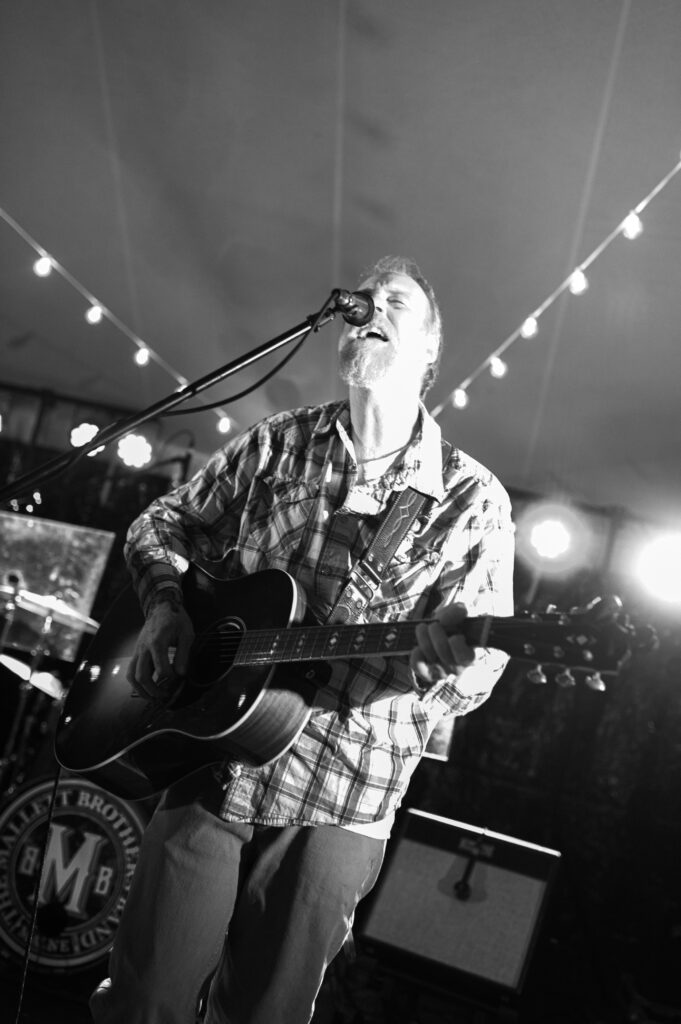
A thoughtfully positioned lounge can invite guests to spend time together. The placement of a bar can affect movement throughout the space. Lighting can change the atmosphere entirely as dinner transitions into dancing.
Every decision contributes to the larger experience.
At Charity Lynn Weddings, we plan and design for what happens between people.
I care deeply about the creative work. The floral installations, textiles, lighting, furnishings, and architectural details all contribute to the atmosphere we’re creating.
But the design becomes far more meaningful when it’s informed by the people who will gather within it.
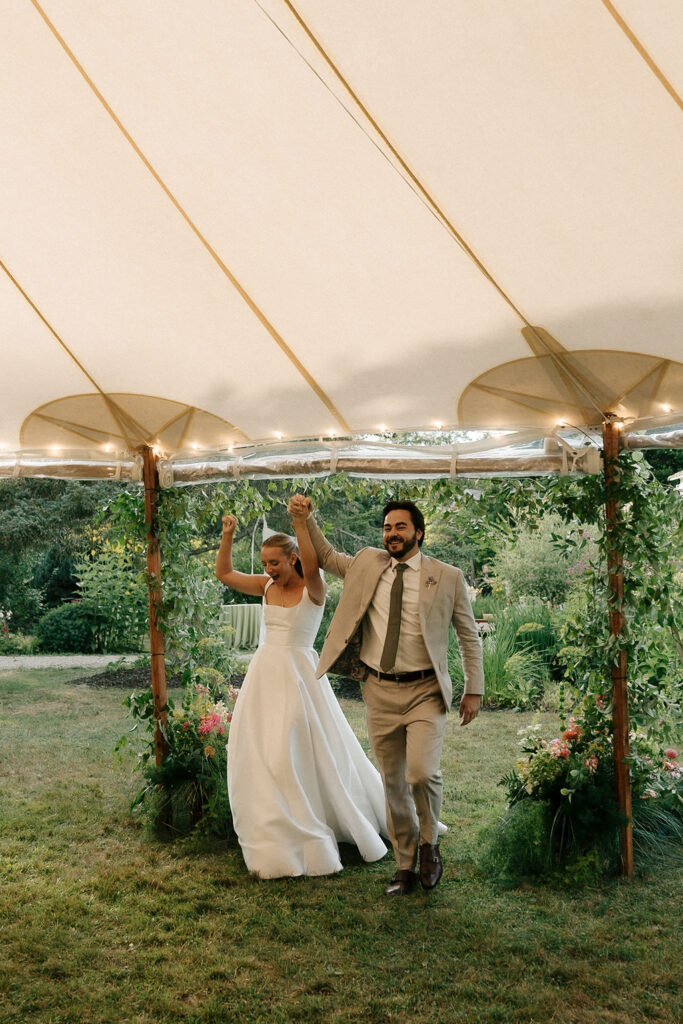
6. An Experienced Wedding Planner Should Help You Make Better Decisions
When couples begin searching for a wedding planner in Maine, portfolios are often the first place they look.
And understandably so.
Photographs demonstrate creative ability and provide insight into the celebrations a planner has produced.
But they reveal only a portion of the work.
Planning a complex wedding requires financial oversight, contract management, production knowledge, logistical expertise, and the ability to lead an extensive team of professionals.
It also requires sound judgment.
Throughout the planning process, there will be decisions with competing priorities.
An ambitious design concept may introduce additional production requirements. A preferred vendor may present logistical challenges. A change in guest count may affect the floor plan, rentals, and catering arrangements.
When these situations arise, I consider the implications for the entire celebration before making a recommendation.
Sometimes that means finding a different approach to a design concept. Other times, it means adjusting the production plan or identifying an issue before it becomes a problem.
My responsibility is to provide the information and expertise couples need to make confident decisions.
For couples planning their wedding from outside Maine, this level of involvement becomes particularly valuable.
Many of my clients live out of state and rely on me to oversee the planning process locally.
That includes evaluating properties, coordinating with vendors, managing site visits, developing the design, and overseeing the many details that require attention here in New England.
Our full-service planning process is designed to provide comprehensive support from the earliest decisions through the wedding weekend itself.
The value of an experienced wedding planner is found as much in the decisions made throughout planning as in the execution of the wedding itself.
7. Consider What This Gathering Represents
There is something about weddings that I never want to become ordinary to me.
Consider the people who will be gathered together.
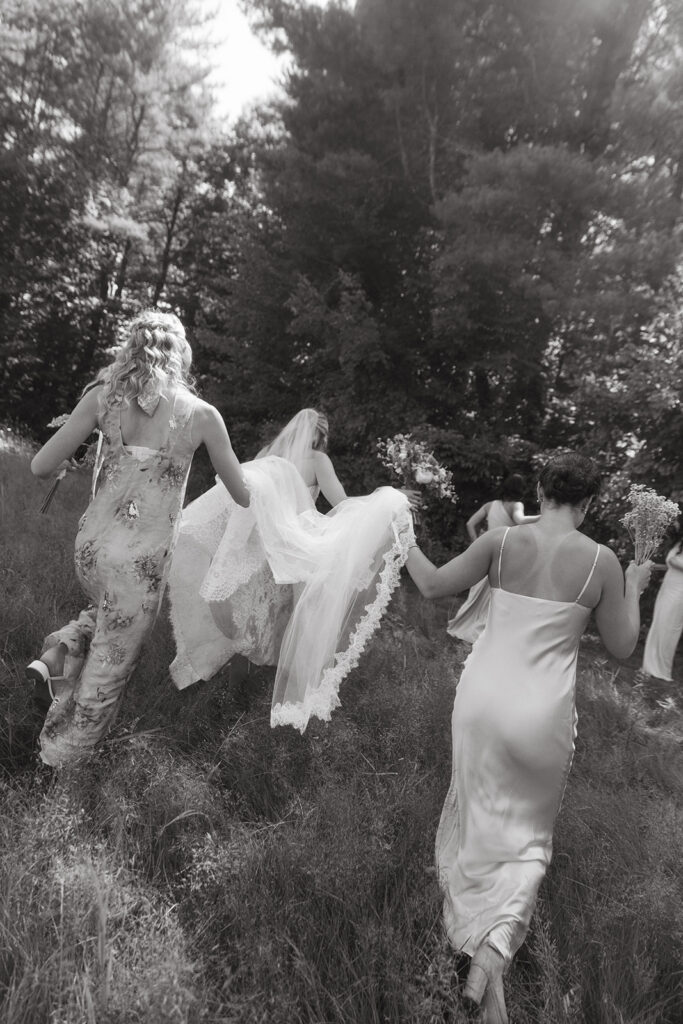
Parents and grandparents. Siblings and childhood friends. People who knew you long before you met each other. People who have witnessed the most important moments of your lives.
Some will travel considerable distances to be there.
And this exact gathering of people may never happen again.
That is an extraordinary privilege.
It’s one of the reasons I place so much importance on the ceremony. The promises being made deserve our full attention.
It’s why I care about creating opportunities for connection throughout the celebration and allowing couples and their families to be genuinely present.
And it’s why I care about creating something spectacular.
An extraordinary floral installation, a remarkable dinner, a space transformed by lighting, or a dance floor filled with people who are completely invested in the couple can all be expressions of the significance of the occasion.
Significant and spectacular belong together.
A gathering this rare is worth making a big deal about.
Planning Your Wedding in Maine With Charity Lynn Weddings
Planning a wedding at a private estate, historic property, or tented venue in Maine requires a combination of creative expertise, logistical knowledge, and experienced leadership.
At Charity Lynn Weddings, we specialize in full-service wedding planning and design for private estates, tented celebrations, historic properties, and multi-day wedding weekends throughout Maine and New England, including Newport, Rhode Island, and Massachusetts.
Our clients value thoughtful design, meaningful traditions, and the opportunity to gather the people they love for an extraordinary celebration.
Many plan their weddings from outside New England, relying on our local expertise and comprehensive planning process to guide the experience from beginning to end.
We intentionally accept a limited number of weddings each year, allowing us to provide the level of attention, involvement, and leadership that complex celebrations require.
Every wedding begins with understanding the people at its center.
From there, we develop a thoughtful plan and creative direction that reflects who they are, what matters to them, and the significance of the occasion.
If you’re planning a wedding in Maine, inquire with Charity Lynn Weddings to begin the conversation.
Let’s make it a big deal.


